Welcome to WordPress. This is your first post. Edit or delete it, then start writing!
Author: admin
-
5 Beginner-Friendly Strength Exercises to Start With
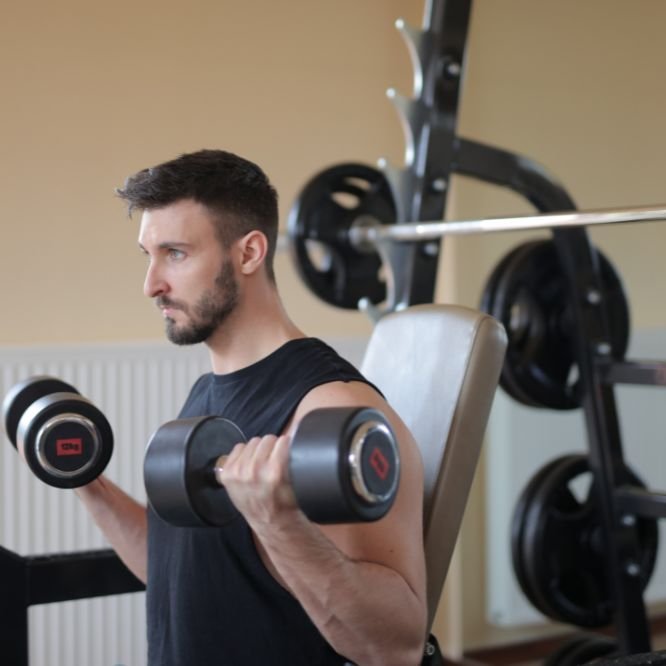
You do not need a complicated programme to get started with strength training. A handful of simple movements — squats, push-ups, rows, hip hinges and planks — cover most of what a beginner needs, and every one of them can be scaled up or down.
Focus on form before load. Ask one of our trainers to check your technique in your first week; a few small corrections early on save a lot of frustration later.
-
How Much Protein Do You Really Need?
Protein needs vary with body weight, activity level and goals, so there is no single number that fits everyone. Many active adults do well somewhere between 1.2 and 2.0 grams per kilogram of body weight per day, spread across meals.
Whole foods can usually get you there. A shake is a convenient top-up on busy days, not a requirement — check with a doctor or dietitian before making big changes.
-

Why Rest Days Matter as Much as Workout Days
Muscles adapt and get stronger during recovery, not during the workout itself. Skipping rest days can slow progress and raise the risk of overuse injuries, especially if you are training the same muscle groups back to back.
A rest day does not have to mean doing nothing — a walk, light stretching or a gentle mobility class can help you recover while still moving.
-
A Simple Guide to Progressive Overload
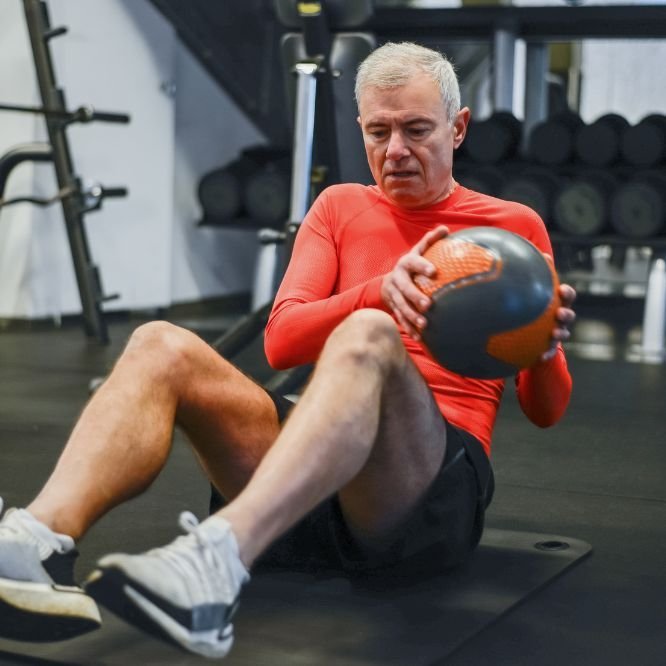
Progressive overload just means gradually asking your body to do a little more over time — a bit more weight, a couple more reps, or better control through the movement.
Small, steady increases beat big jumps. Keep a simple log of your sets and reps so you can see what changed from week to week.
-

Pre- and Post-Workout Meals Made Simple
Before training, a light meal with carbohydrates and a little protein an hour or two beforehand tends to work well for most people. After training, aim for a meal with protein and carbohydrates within a couple of hours.
There is no need to overthink timing down to the minute — consistency across the week matters more than any single meal.
-
How to Stay Consistent When Motivation Fades
Motivation naturally comes and goes — relying on it alone makes consistency hard. Habits, schedules and a supportive environment tend to carry people through the weeks when motivation is low.
Booking classes in advance, training with a friend, or simply laying out your gym bag the night before can lower the barrier to showing up.
-

Cardio vs Strength Training: Do You Need Both?
Cardio and strength training support different things: cardiovascular fitness and endurance on one side, muscle and strength on the other. Most general fitness goals benefit from a mix of both rather than choosing just one.
A simple starting point is two to three strength sessions and two to three cardio or class-based sessions a week, adjusted to how your body responds.
-
Understanding Muscle Soreness (and When to Worry)
Soreness a day or two after a new or harder workout is common and usually fades on its own with light movement, hydration and rest.
Sharp or one-sided pain, swelling, or soreness that does not improve after several days is different — that is worth checking with a healthcare professional rather than pushing through it.
-
Setting Realistic Fitness Goals That Actually Stick
Broad goals like “get fit” are hard to act on. Specific, time-bound goals — such as attending three classes a week for a month, or adding five kilograms to a lift — are easier to plan around and easier to know when you have hit them.
Review your goals every few weeks and adjust them; a goal that no longer fits your life is not a failure, it is just information.